
Which Inspections Will a New Custom Home Go Through?
By David K
7 min read
In North Carolina, the local inspection department checks a new house at set stages instead of watching every day of work. The state's Section 107 list covers footings, under-slab work where there is a slab, the foundation, trade rough-ins, building framing, insulation, and final inspections, and Mecklenburg County publishes a residential schedule built on that list. The builder and trade contractors request each inspection, and work is not supposed to move past a stage, or be covered up, until it passes. Passing inspections means the visible work met the code at that moment. It is not a full quality review or a warranty, so it helps to know what each one covers and how to see your own home's results.
Planning a new home? Explore Max Built's custom-home process, then view the craftsmanship in our project portfolio.
How code inspections fit into a custom-home build
Every new house in North Carolina is built under a permit, and the permit comes with a series of inspections by the local inspection department. Section 107 of the North Carolina Administrative Code and Policies lists the routine inspections. For a house, they are footing, under slab where it applies, foundation, rough-in, building framing, insulation, and final. Fire protection inspections are also on the state list but apply where fire-protection materials are used, and Mecklenburg County's residential schedule does not list them as a routine step for a house.
Two rules from the same section shape the whole process. The permit holder, usually the builder, is responsible for telling the inspection department when work is ready and for giving the inspector access. And work is not supposed to continue past each inspection point without approval. If something fails, it has to be corrected and cannot be covered or concealed until the code official authorizes it.
Before any of this, the plans go through permitting. Our custom-home permit set checklist covers what goes into that package. The inspections described here are how the county checks that the house in the field matches the approved plans and the building code.
Footing, slab, and foundation: the inspections before concrete
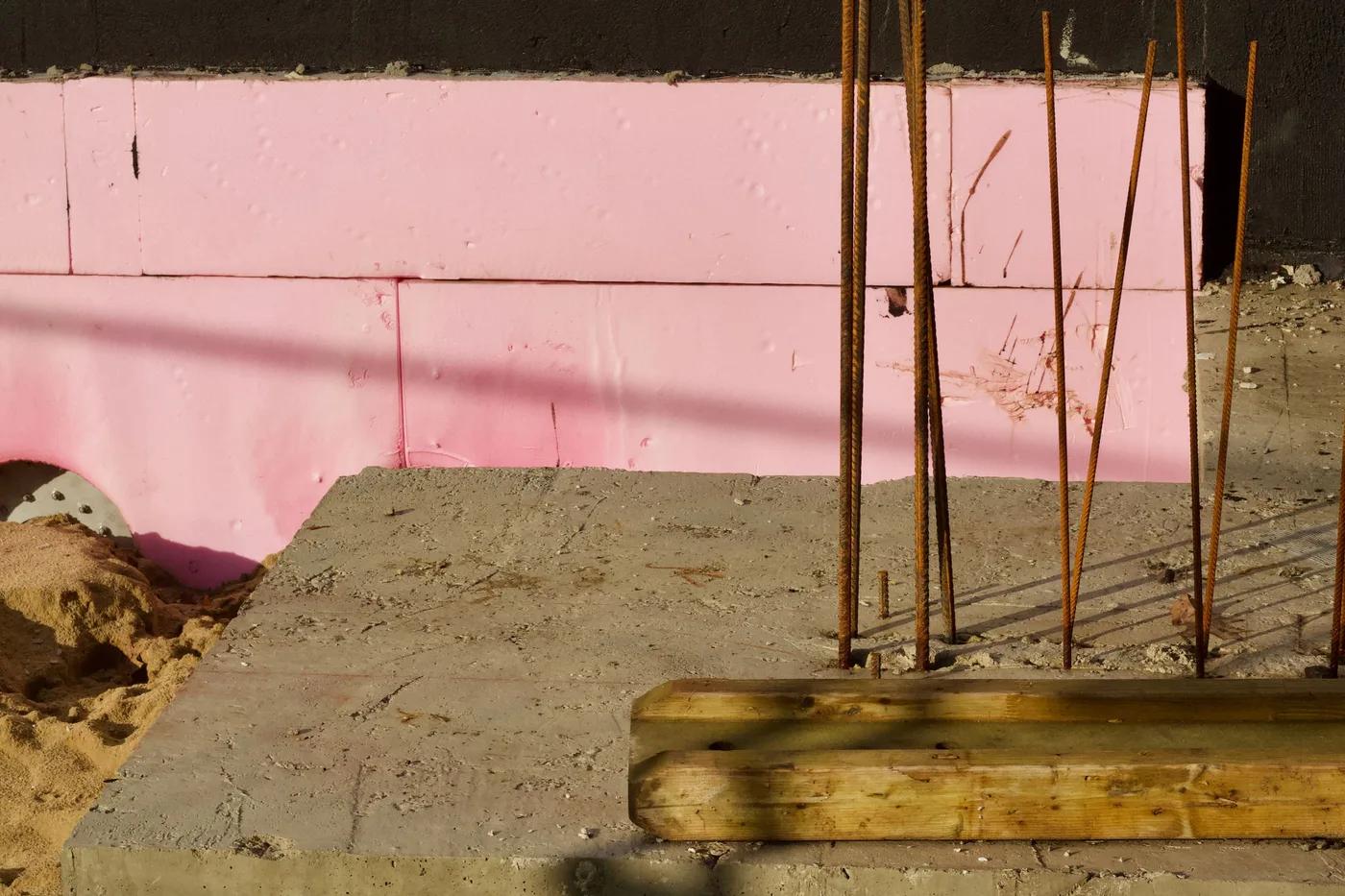
The first inspections happen before any concrete is placed, because once it is poured, what is underneath cannot be seen. Mecklenburg County's schedule says the footing inspection is made after the trenches are dug, grade stakes are set, reinforcing steel is tied and supported, and forms are in place and braced.
If the house has a slab for living space, there is an under-slab inspection. It happens after the plumbing, electrical, or HVAC that will be buried, the crushed stone, vapor retarder, insulation, and reinforcing are in place, and before the pour. The county notes that driveways, at-grade patios, and walks do not need this inspection. Where the footing and slab are poured together, the county lists a monolithic slab inspection that covers both.
Homes on a crawlspace get a foundation inspection after the foundation supports are installed. According to the county, it checks those supports, crawlspace leveling, ground clearances, and positive drainage where required. If you are still deciding what the house will sit on, our guide to choosing a slab, crawlspace, or basement covers that decision.
Framing and rough-in inspections happen while the walls are open
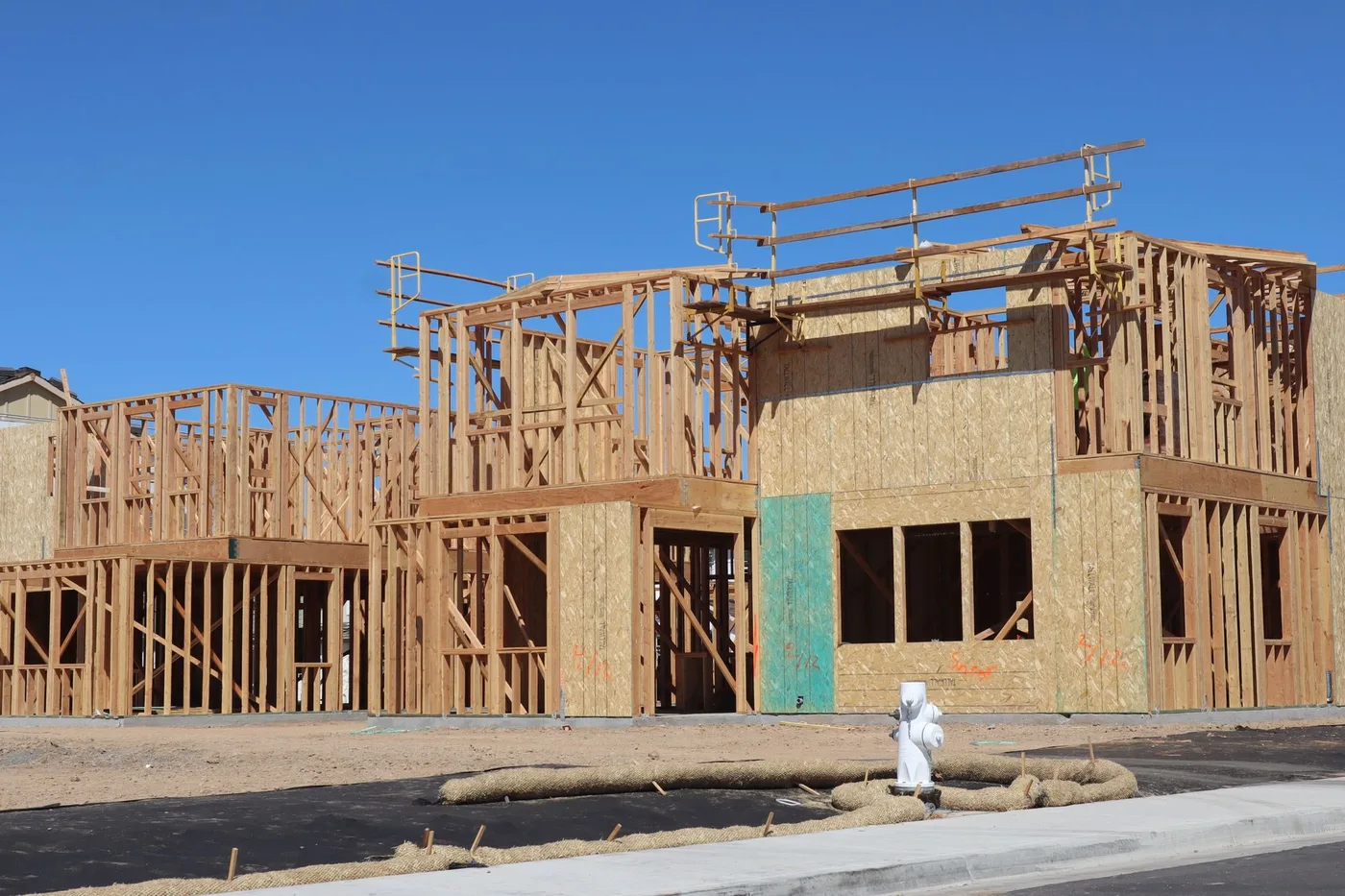
The next stage is the most important for anything that will end up inside the walls. Rough-in inspections cover the parts of the electrical, plumbing, and heating and cooling systems that will be hidden, after the framing is in place but before insulation or wall and ceiling finishes go up. Each trade is inspected for its own work.
The building framing inspection is made once the roof, wall, ceiling, and floor framing is complete with blocking, bracing, and fire stopping in place. Mecklenburg County's schedule lists items that should be in place and visible, including pipes, chimneys and vents, flashing for roofs, chimneys, and wall openings, insulation baffles, and certain bolted lintels.
Mecklenburg County also offers an optional sheathing inspection for an added fee. The county describes it as a way to check house wrap, flashings, lintels, and window and door installation so exterior wall covering can go on before the full framing inspection, or to check areas behind tubs, showers, fireplaces, and chases that may be hard to see later. Whether that makes sense depends on the house and the schedule, so it is a fair question to ask your builder.
The insulation inspection is the last look before drywall
Insulation is inspected after the framing and trade rough-in inspections have been approved and the permanent roof covering is on, with all insulation and vapor retarders in place, and before any wall or ceiling covering is applied. Mecklenburg County's scheduling guide says an insulation inspection cannot be requested until all rough inspections have passed or are marked okay to insulate. The county also notes that blown-in ceiling insulation may be inspected at the final if every area is accessible.
Because drywall closes everything up, this is also a good time for your own coordination walk. That owner review is different from the code inspection. Our guide to what to review before drywall explains how to use that visit to check outlet locations, blocking, and other details the inspector is not looking for. If the house is also being tested for air leakage or duct leakage, those results are separate again, as covered in our post on performance tests for a custom home.
Final inspections and the certificate to occupy
Each trade has its own final inspection once its work is complete, and Mecklenburg County says the building final is typically last. By then, the county expects final grading, drainage, handrails, and guardrails to be in place. Once all final inspections are complete and any outside agency holds are cleared, the county issues a certificate for the property. That certificate is what allows the house to be occupied.
The certificate and the builder's final walkthrough are two different things. One confirms code compliance. The other confirms the house matches what you agreed to and records anything left to finish. Our guide to your new-home final walkthrough covers that second step.
What a passed inspection does and does not tell you
Inspections are an important check, but they are not a full review of the house. Mecklenburg County says its schedule is not a complete list of items to be checked and does not certify the proper operation of equipment or systems. The state's commentary on Section 107 adds that the code official is not on site at all times, verifies what is visible at each inspection, and spot checks similar items. It gives roof and sheathing nailing as an example of something not always visible at framing that remains the permit holder's responsibility.
Code inspections also do not judge finish quality, whether you got the selections you chose, or whether the house matches the contract. Those belong to your builder's own quality process, your reviews during construction, and the final walkthrough. Some owners also hire an independent inspector. If you do, agree with your builder in advance on when that person can visit and how their notes will be handled.
How to follow your home's inspections
In Mecklenburg County, inspectors log results electronically from the field, and the county says results and inspector notes are available online. Its Customer Tools page links to a status portal where you can look up permit, plan review, and inspection status for a property. For projects started in January 2024 or later, that is the newer portal. Contractors schedule inspections through the county's AccelaMeck system or by phone.
Some lots in the Charlotte area are outside Mecklenburg County, and each county or town inspection department runs its own scheduling and records. The state's list of required inspections still applies, but ask your builder which department has jurisdiction and how you can see the results. Inspection milestones also tend to line up with the schedule, so our guide to reading a custom-home construction schedule is a useful companion.
If you are planning a new custom home in the Charlotte area, see how our custom-home process works, look through our portfolio, or contact Max Built to talk through your plans.
- Which inspection department has jurisdiction over the lot, and how can I see results?
- Who requests each inspection, and how will I hear when one passes or needs corrections?
- If an inspection fails, how is the correction handled and documented before work continues?
- Will you use the optional sheathing inspection, and why or why not?
- Can I walk the house before insulation and before drywall, separate from the county inspections?
- What do I receive at closeout to show all final inspections passed and the certificate was issued?
Sources and editorial notes
Mecklenburg County Code Enforcement, Residential Inspection Schedule
Mecklenburg County Code Enforcement, Inspections overview
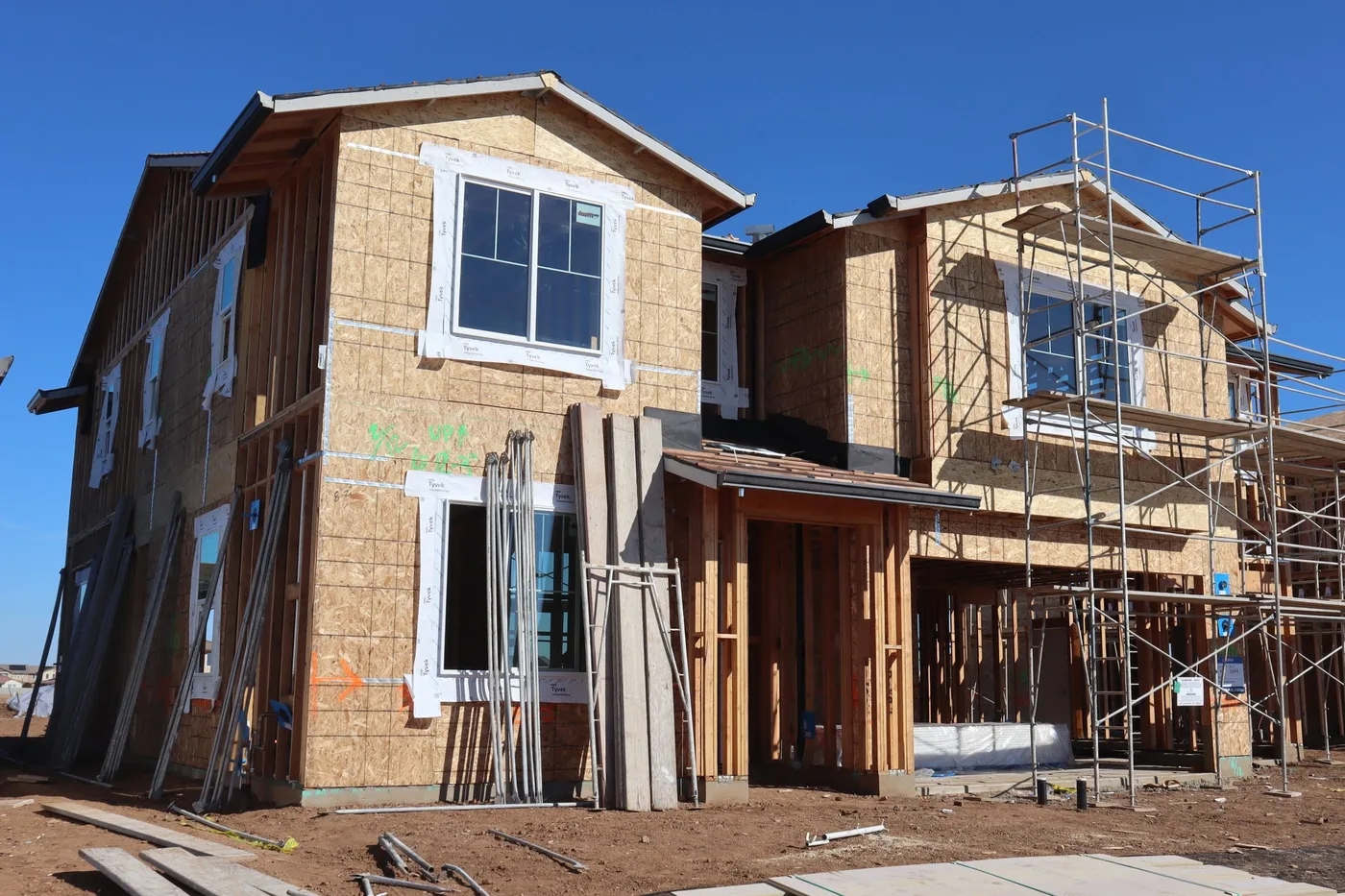
Photo: "Under Construction Two-Story House on Clear Day" by D Goug, Pexels (cropped)
Photo: "Construction Site with Concrete and Rebar" by Peter Dyllong, Pexels (cropped)
Photo: "New home construction California" by D Goug, Pexels (cropped)
Prepared with AI assistance and editorially reviewed by Grok/AI. Architectural images are illustrative, not documented Max Built projects. This organizational guide does not replace project-specific professional advice.
Custom-home inspection questions
Who schedules inspections on a new custom home?
The permit holder, usually the builder, along with the trade contractors for their own work. North Carolina's Section 107 puts the duty on the permit holder or their agent to notify the inspection department when work is ready and to provide access. In Mecklenburg County, inspections are requested through the AccelaMeck system or by phone.
What happens if a house fails an inspection?
The inspector notes what does not comply. Under Section 107, work that does not comply must be corrected and cannot be covered or concealed until the code official authorizes it, and work is not supposed to continue past that inspection point without approval. Ask your builder how corrections and re-inspections are tracked.
Can I see the inspection results for my house?
In Mecklenburg County, yes. The county says inspection results and inspector notes are available online, and its Customer Tools page links to a status portal that searches permit, plan review, and inspection information by property. Other counties and towns have their own systems, so ask which department covers your lot.
Does passing every inspection mean the house has no problems?
No. Inspections verify code compliance for what is visible at each stage, and the code official spot checks rather than watching every day. Mecklenburg County notes that its schedule does not certify proper operation of equipment or systems. Finish quality, selections, and contract details are checked through your builder's process and the final walkthrough.
Build the right plan before construction begins
Tell us about your property, priorities, and the way you want to live. We'll help organize the next decisions around a clear, buildable path.